The Core Components of a Residential Gas Furnace Explained
When the San Angelo winter hits, your furnace is the most important appliance in your home. Yet, for many homeowners, a furnace is a mysterious metal box tucked away in the closet or attic. Understanding how this system works—and what its main parts are—can help you troubleshoot minor issues, maintain efficiency, and communicate better with your HVAC technician.
At Superior Services, we believe that informed homeowners are better equipped to protect their investments. Here is a breakdown of the core components that work together to keep your home warm.
1. The Thermostat: The Brain
While not physically inside the furnace, the thermostat is the control center of your entire heating system. It senses the air temperature in your home and, when the temperature drops below the set point, it sends a low-voltage electrical signal to the furnace to initiate the heating cycle.
2. The Gas Valve: The Fuel Regulator
Once the thermostat calls for heat, the gas valve opens, allowing natural gas (the fuel) to flow into the burners. This valve is a critical safety component; if the ignition fails, it is designed to shut off the gas flow to prevent a dangerous buildup of uncombusted fuel.
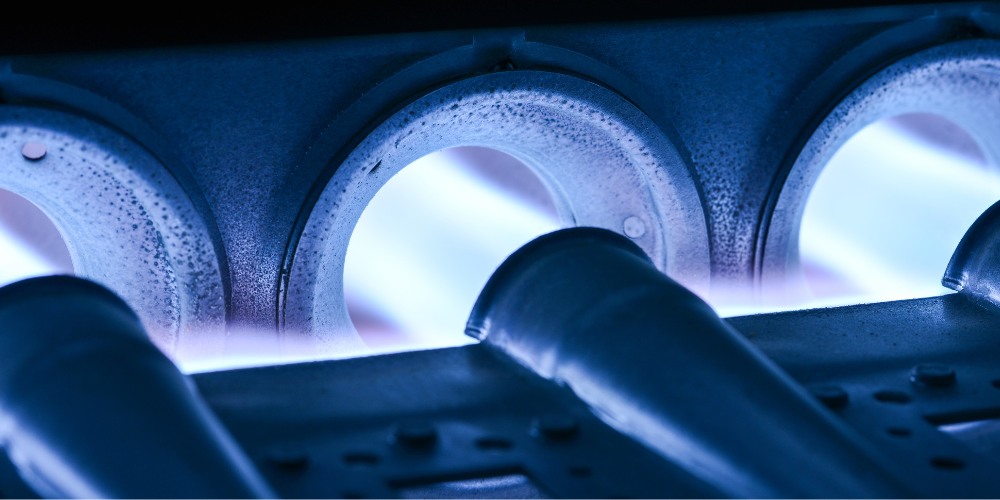
3. The Burners: The Ignition Point
The burners are where the magic begins. Gas flows out of small openings in the burners and mixes with air. This gas/air mixture is then ignited by one of the following methods:
Pilot Light: (Common in older furnaces) A small, constantly burning flame that ignites the main burners.
Hot Surface Igniter (HSI): (Common in modern furnaces) A component that heats up rapidly to a high temperature, glowing hot enough to ignite the gas mixture.
Intermittent Pilot: (A modern variation) A pilot flame that only lights when the thermostat calls for heat.
4. The Heat Exchanger: The Heart of the System
This is arguably the most crucial component. The heat exchanger is a set of curved metal chambers inside the furnace where the hot combustion gases flow.
Its primary job is to keep the breathable air you heat separate from the combustion gases. The heat generated by the flame transfers through the metal walls of the heat exchanger, warming the air circulating around it. The combustion gases (exhaust) are then safely vente out of your home.
Safety Note: A cracked heat exchanger is extremely dangerous because it can allow carbon monoxide (a colorless, odorless gas) to leak into your home's air supply. This is why annual professional inspections are so vital.
5. The Blower Motor and Fan: The Distributor
Once the air surrounding the heat exchanger is sufficiently warm, the blower motor kicks on.
The blower motor powers a large fan, which is usually a squirrel-cage-style wheel.
This fan pushes the heated air out of the furnace and through your home's ductwork.
It also pulls cold air back from your return vents to be heated again, completing the cycle.
6. The Flue or Vent Pipe: The Exhaust System
The flue is a pipe, usually metal or PVC, that carries the dangerous combustion gases (including water vapor and carbon monoxide) safely out of your home. Depending on your furnace type (standard or high-efficiency), this pipe may terminate through the roof or out the side of a wall. It is essential that this vent remains clear of obstructions to prevent exhaust from backing up into the house.
Why Understanding These Parts Matters
A well-maintained furnace is a safe and efficient furnace. When one of these core components malfunctions—whether it’s a failure to ignite, a struggling blower motor, or a potential heat exchanger crack—it compromises the comfort and safety of your home. Regular tune-ups allow a technician to inspect all these moving parts and ensure they are working harmoniously.
If your furnace is making strange noises, struggling to heat your home, or refusing to start, the solution often lies in one of these six core components.
Don't let a small furnace issue turn into a major safety risk. For expert furnace repair and maintenance from trusted professionals, contact Superior Services today to schedule your system check!